
Google Places API Alternative
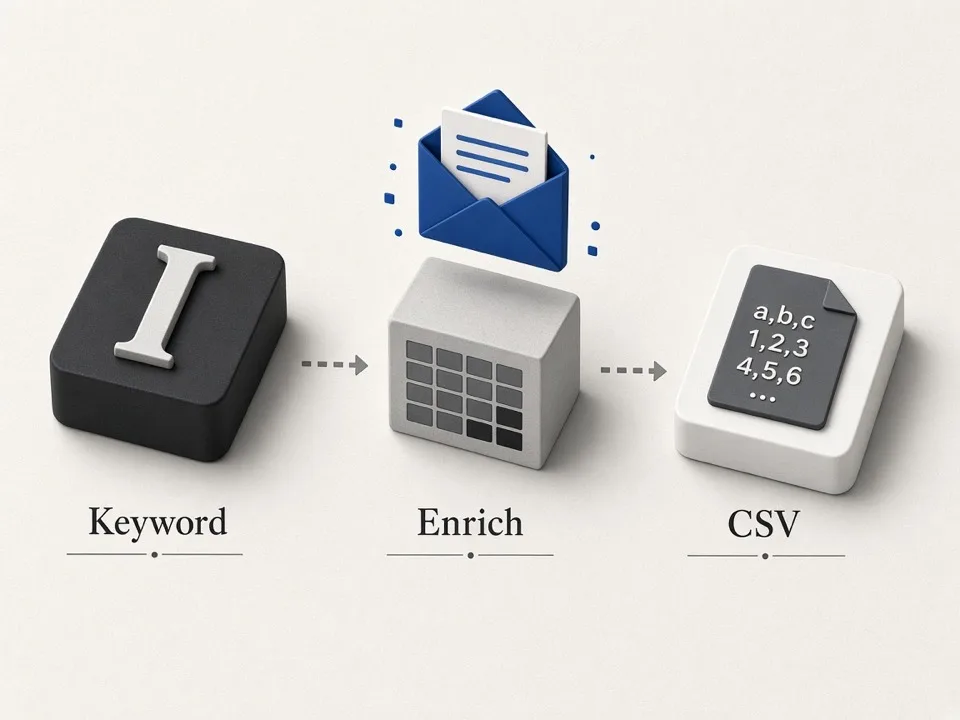
Google Places API (and broader Maps Platform) is the right choice when you must call official SKUs inside a product. GMaps Lead Finder is built for lead lists: keyword → places → enrichment → CSV, plus web, extension, and Agent/API on shared Online credits—without Places billing complexity.
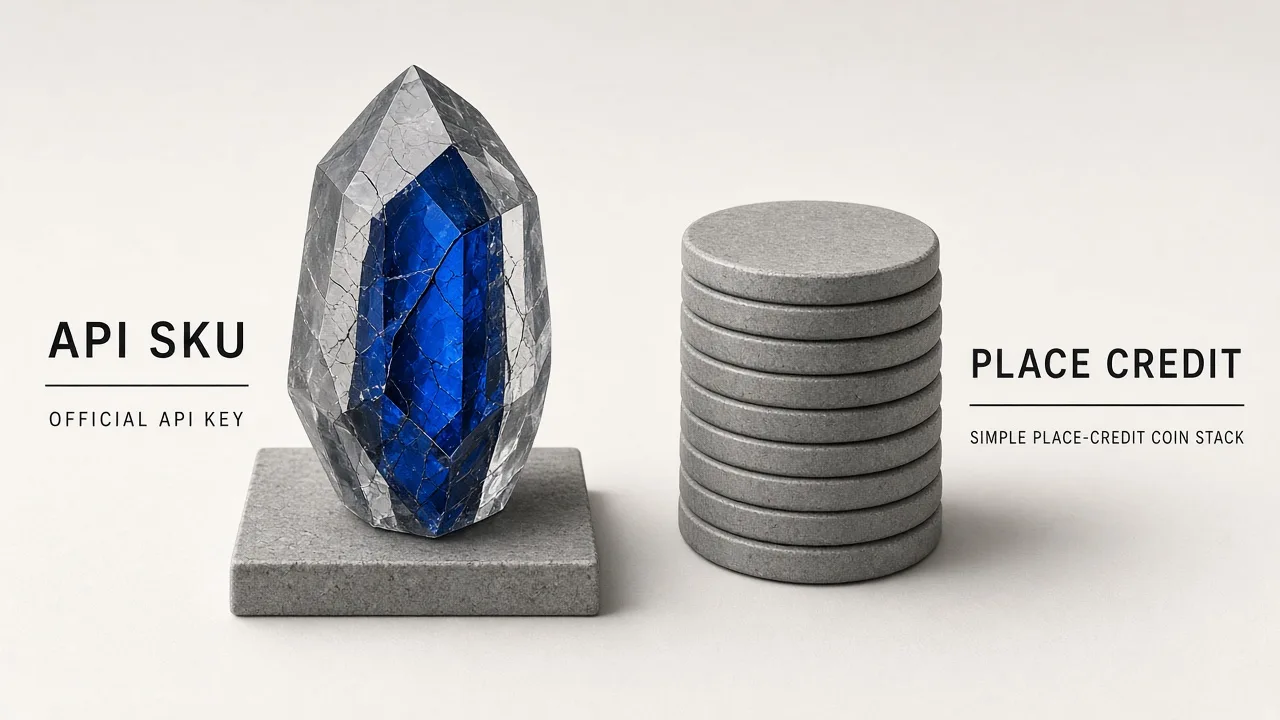
Why teams look beyond Places API for leads
Places is excellent for maps UX and ToS-bound product features. Lead gen workflows often want list exports, enrichment, and operator UIs that Places alone does not ship.
SKU and quota complexity
Text Search, Place Details, and related SKUs bill per request. Forecasting outreach volume means translating “places needed” into multiple billable calls.
No lead enrichment product
Places returns business fields Google exposes. Public website email and social discovery still need another pipeline.
Developer-first, not SDR-first
You wire keys, backends, and ToS constraints. Operators usually want a web extractor or extension—not a Cloud console.
Maps Platform uses per-SKU pricing with a monthly credit (commonly cited $200). Exact rates depend on Place SKUs and volume; treat as developer infrastructure cost, not “1 credit = 1 lead.”
| Capability | GMaps Lead Finder | Places API |
|---|---|---|
Google Maps lead lists You assemble lists via Places calls | yes | partial |
Email / social enrichment | yes | no |
Web product UI | yes | no |
Browser extension | yes | no |
Agent / HTTP API You build the agent against Places | yes | partial |
Shared web + API credits | yes | no |
DIY / general scraping | no | no |
Official Google Maps Platform | no | yes |
| Dimension | Places API | GMaps Lead Finder |
|---|---|---|
| Model | Per-request SKUs + monthly credit | Monthly credits · 1 credit = 1 place |
| Starter spend | Pay as you go after credit | Free 1k lifetime · paid from $19/mo |
| Agent / API | Your app calling Places | Growth+ MCP & HTTP · shared Online credits |
| Enrichment | Not included | Email & social on paid plans |
Features
Places API gives structured place data for applications: search, details, photos, and related Maps Platform services. Strength is legitimacy and depth inside Google’s product surface. Limitation is that lead ops still need list batching, CSV packaging, and enrichment elsewhere.
GMaps Lead Finder is a Maps lead product: run keywords Online, enrich emails/socials on paid plans, export CSV zip, and automate via Agent/MCP using the same Online credits as the web UI.
Choose Places when your product must call Google officially. Choose GMaps Lead Finder when the job is building outreach lists.
Pricing
You pay Maps Platform SKUs (search + details often stack). The monthly credit helps prototypes; production lead volume can surprise teams that expected “flat SaaS.”
Plans map directly to place volume: Starter $19 / Growth $49 (API) / Scale $99 / Business $199. Web and Agent/API share Online credits; extensions bill separately.
If finance wants place-based forecasting, credit plans are simpler than SKU math.
Ease of use
Requires Google Cloud project, billing, API enablement, and correct field masks. Powerful for engineers; heavy for SDRs.
Sign in, enter keywords, review rows, export. Agents copy an MCP/HTTP snippet on Growth+.
Operators move faster on a lead UI; engineers shipping map UX stay on Places.
Surfaces
API-only. Any UI, extension, or agent layer is yours to build and maintain.
Web Online, Chrome extensions, and Agent/MCP/HTTP API. Online credits are shared across web and agents.
Multi-surface lead work favors GMaps Lead Finder; official embeds favor Places.
Billing
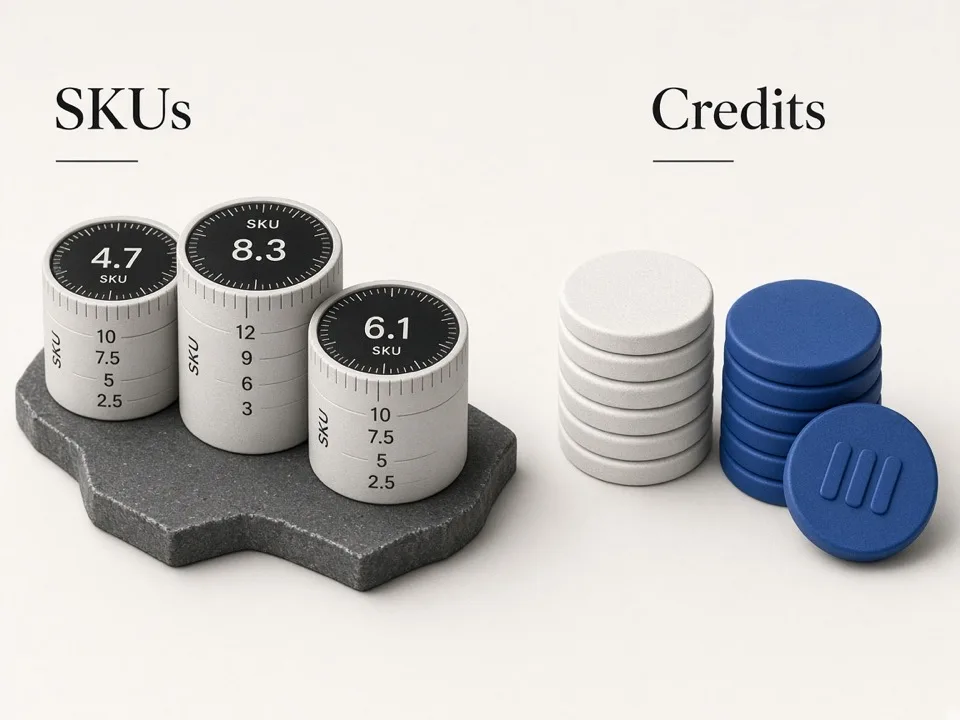
Places SKUs vs place credits
Lead campaigns think in “how many businesses.” Places bills API calls. Translating one into the other is where estimates drift.
Stacked calls
Search plus details (and photos) can multiply cost per lead.
Credit clarity
Our Online plans price 1 credit = 1 place for forecasting.
Workflow
From Cloud console to outreach CSV
Places stops at JSON in your backend. Outreach teams still need enrichment, zip exports, and a place to re-download jobs.
Enrichment
Paid plans add public email and social fields when found.
Surfaces
Use web for bulk keywords or agents for MCP-driven runs.
Who should stay on Google Places API
Keep Places when official Maps Platform access is a product requirement.
- •You embed maps, autocomplete, or place details in a customer-facing app
- •Legal requires Google Maps Platform terms
- •You already have engineering to own keys, quotas, and caching
Who should choose GMaps Lead Finder
Switch when the outcome is a lead list—not a map widget.
- •SDRs and agencies exporting local business CSVs
- •Teams that want enrichment without a second vendor
- •Builders who want MCP/HTTP on the same credits as the web UI
Moving from Places prototypes to lead runs
You do not migrate Places datasets. Re-run the same keywords as Online jobs and export.
01
List your keywords
Reuse the queries you already send to Text Search.
02
Run Online or Agent
Create jobs in the web UI or via API/MCP on Growth+.
03
Enrich & export
Enable enrichment on paid plans, then download CSV zip per keyword.
One product, three entrances
Web, extension, and Agent/API
Online web jobs and Agent/MCP/HTTP share the same monthly credits on Growth+. Chrome extension quotas stay separate.
Related alternatives
Compare other tools teams evaluate alongside this one.
Outscraper alternative
PAYG Maps API—flexible bursts; we package AI-assisted lead research on monthly credits.
CompareDataForSEO alternative
PAYG SEO/business APIs—developer-first, not a lead SaaS.
CompareApify alternative
General Actor platform—great breadth, heavier than a Maps lead SaaS.
CompareScrap.io alternative
Direct Maps lead SaaS peer—compare price, geo filters, and extensions.
Compare
FAQ
Try GMaps Lead Finder as a Places API alternative
Start with free lifetime credits, then upgrade when enrichment or Agent API matters.