Not legal advice
Two different lanes: Places API vs lead tools
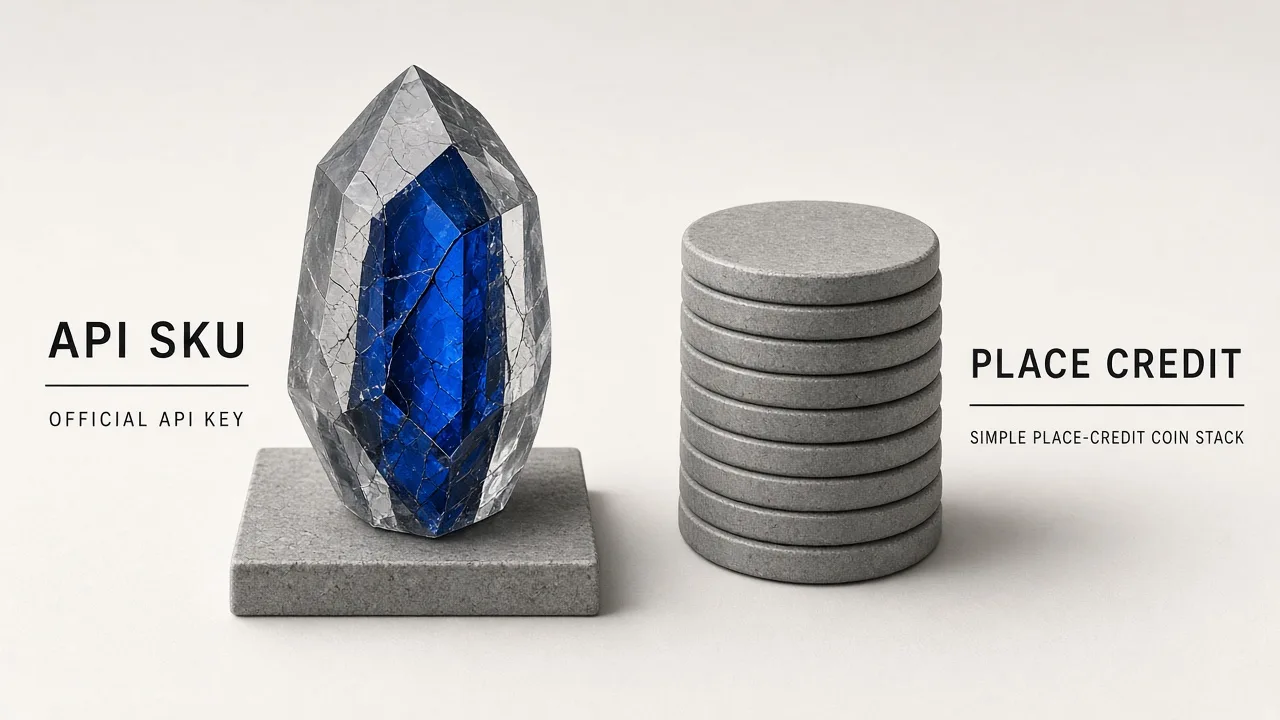
Google Maps Platform / Places API is designed for applications that call official SKUs under Maps Platform terms. Billing, quotas, and attribution rules apply. This is the right lane when Maps data powers your product UX.
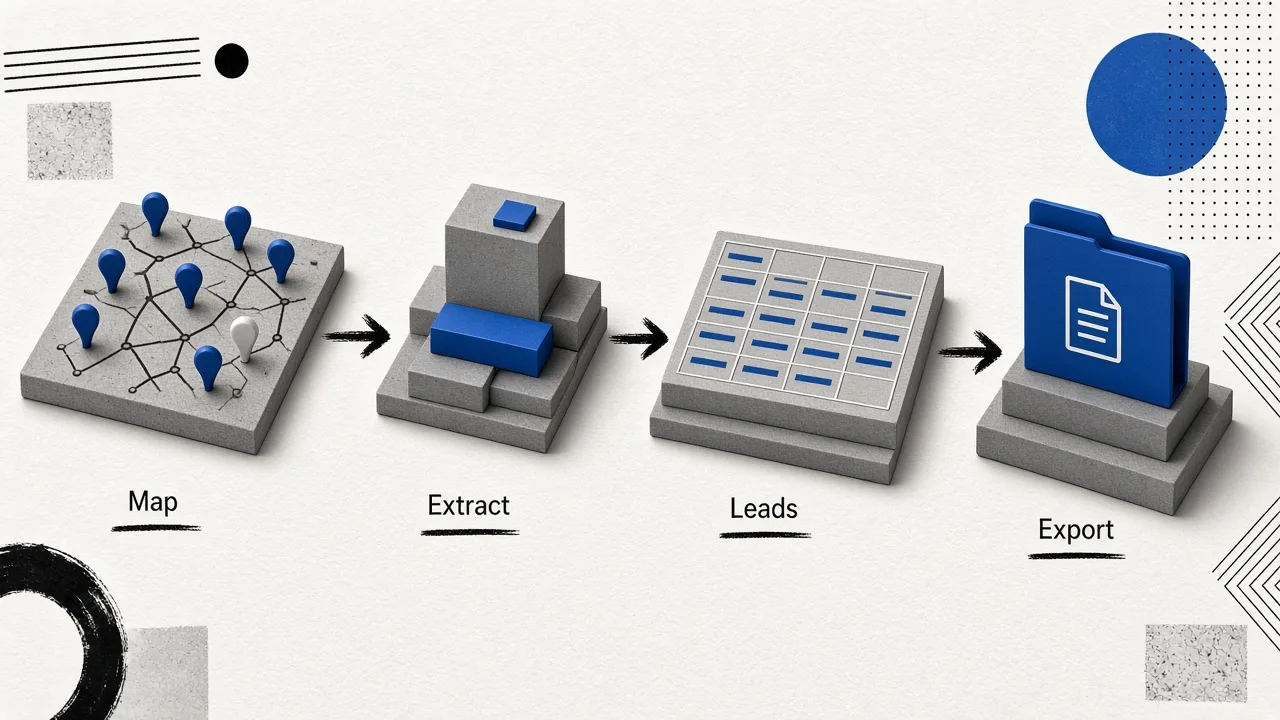
Lead extractors and scrapers target operator workflows: build a list of publicly listed businesses for research or outreach. They are not a substitute for Places when you must stay inside Maps Platform ToS for an in-product feature.
| Question | Places API lane | Lead research lane |
|---|---|---|
| Primary buyer | Product / engineering | SDR, agency, local SEO ops |
| Contract frame | Maps Platform ToS + Cloud billing | Vendor terms + your outreach policies |
| Typical output | Live place details in an app | CSV / CRM list |
| Start here | Places docs | Online extractor |
“Against ToS” is not the same as “illegal”
People conflate three ideas: (1) Google’s contractual terms for a product, (2) copyright or database rules in a country, and (3) privacy / marketing rules for how you contact people. Breaking a ToS can create contract or access risk without automatically answering a criminal-law question—and the reverse is also not automatic.
- Read the terms for the product you actually use (Maps Platform vs a third-party tool’s terms)
- Separate data collection from outreach compliance (CAN-SPAM, GDPR, TCPA-style rules where they apply)
- Do not invent email or phone contacts; use publicly listed information and respect opt-outs
When you should use Places API
Use official Places / Maps Platform APIs when you embed maps, autocomplete, or place details inside a shipped product and need a ToS-aligned data path. Cost and SKU complexity are covered in How much does the Google Maps API cost? and our Places API alternative page.
Practical checklist before you build lists
- Document the purpose: product feature vs internal prospecting vs client deliverable.
- If the data powers a product UI, evaluate Places API first.
- If you use a third-party extractor, read that vendor’s terms and your own acceptable-use policy.
- Limit fields to what you need; avoid storing sensitive data you do not use.
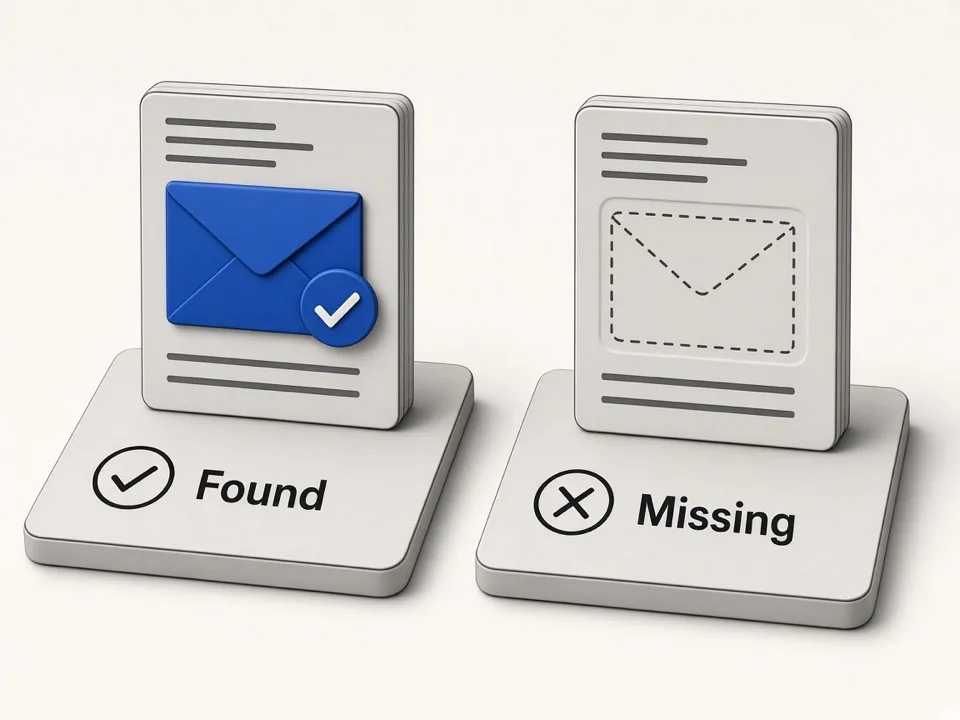
- Align outreach with applicable marketing and privacy rules; empty enrichment cells mean nothing public was found.
- When in doubt, pause and ask counsel—especially for regulated industries or EU personal data.